

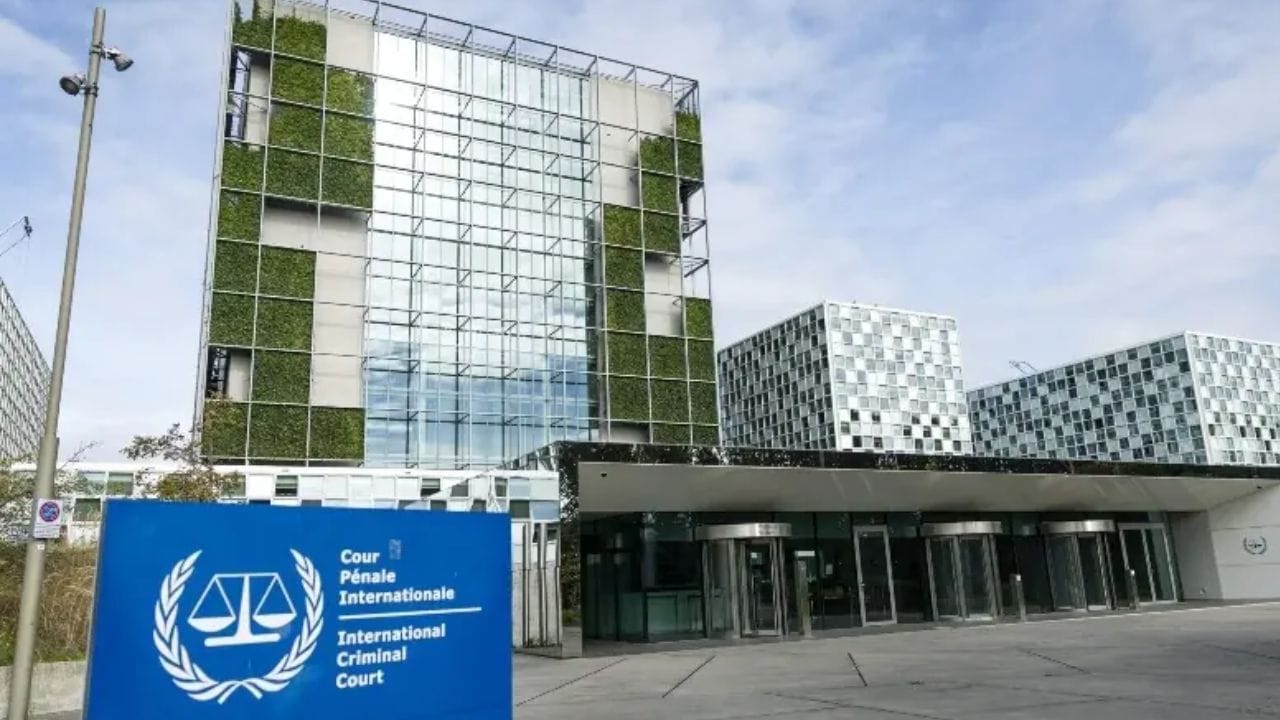
United States (US) has imposed sanctions on the International Criminal Court (ICC) hours after one of its former judges won a Nobel Peace Prize on Friday, escalating tensions with European allies over the court’s work and authority.
The court condemned the decision as an “assault on the rule of law and on the very foundations of the international legal order” and urged its 125 member states to defend the institution.
“The Court cannot stand alone. Its fate now rests also in the hands of the states that created it,” the ICC said in a statement, adding that the issue extended beyond the court itself to the international order based on the rule of law.
The ICC, established in 2002 to prosecute war crimes, crimes against humanity and genocide, has faced opposition from the Trump administration for years. Washington DC previously imposed sanctions on the court’s prosecutors and judges.
Friday’s measures go further by potentially targeting companies that provide services to the court. The move marks an unprecedented step against an institution established under an international treaty. The US signed the Rome Statute, which established the ICC, but never ratified it.
US Secretary of State Marco Rubio said that Trump will not allow the court to prosecute American citizens.
“President Trump will never allow the International Criminal Court to prosecute Americans,” Rubio said in a statement first published by an international media outlet.
“That is why, today, the United States is sanctioning the International Criminal Court. We will ban transactions with this rogue court, cutting off their resources and crippling its ability to operate,” he added.
The US Treasury announced an initial six-month grace period for the sanctions, along with exemptions for certain transactions involving telecommunications, software, pension payments and detainees.
Rubio said that the measures give the ICC and its member states time to address Washington’s concerns. He added that the sanctions will be adjusted if the demands remain unmet.
Washington has criticised the ICC over arrest warrants issued for Israeli officials, including Prime Minister (PM) Benjamin Netanyahu, and its investigation into the conduct of US soldiers in Afghanistan. The court has said that the Afghanistan investigation has been “deprioritized.”
In his statement, Rubio referred to calls by outside experts for the ICC to prosecute US service members, border patrol agents and elected leaders. However, ICC officials have not taken steps towards such prosecutions.
ICC Deputy Prosecutor Nazhat Shameem Khan told the international media outlet that the sanctions aimed to weaken international rule of law and obstruct the work of an independent judicial body.
“Our work will continue across all our situations, our investigations and our prosecutions,” she added.
European Union (EU) foreign policy chief Kaja Kallas said on social media that the six-month grace period “offers a window for dialogue”. She added that the bloc “has options to ensure that (the ICC) can continue its vital work.”
The ICC has issued arrest warrants against more than 70 people, including political leaders and figures linked to major international conflicts. Those targeted include Israeli PM Benjamin Netanyahu, Hamas leaders, Russian President Vladimir Putin, former Sudanese President Omar al-Bashir and former Libyan leader Muammar Gaddafi.
The court withdrew charges against Kenyan President William Ruto and former Kenyan President Uhuru Kenyatta.
